
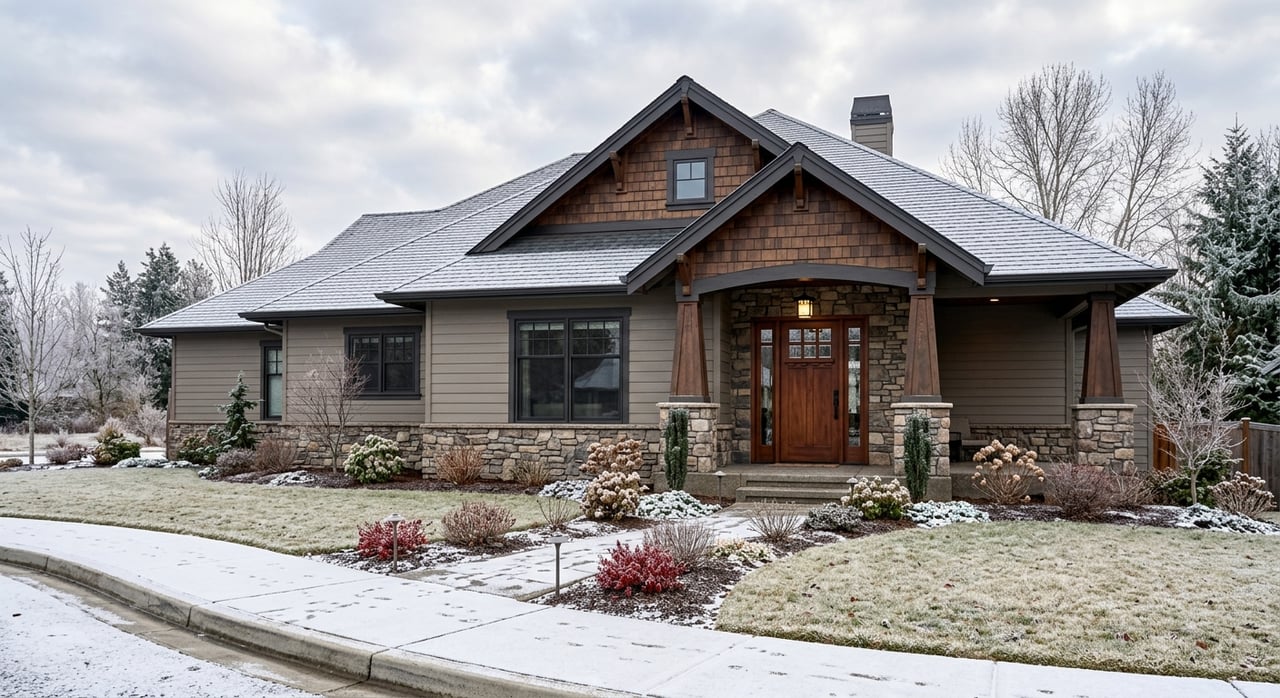
Looking for a place that feels calm and connected without being too far from Madison? That is exactly why many buyers keep Oregon, Wisconsin, on their shortlist. If you want small-town comfort, everyday convenience, and a community that feels established rather than sprawling, Oregon offers a strong mix of all three. Let’s take a closer look.
One of Oregon’s biggest draws is its location. The village sits about 10 miles south of Madison, giving you access to the metro area while still offering a more compact, local feel. According to the Village of Oregon residents page, Oregon’s 2025 population estimate is 12,441.
That size matters. Oregon covers about 4.5 square miles, which helps it feel more like a true village than a spread-out suburb. If you want a place where daily life feels manageable and grounded, that compact footprint can be a real advantage.
For many buyers, “small-town comfort” does not mean giving up convenience. Oregon stands out because it offers a quieter setting while staying close to Madison for work, dining, and other day-to-day needs. Census Reporter estimates the village’s mean travel time to work at 23.3 minutes, which supports that manageable commute profile.
At the same time, Oregon does not come across as a place that exists only for commuters. The local Chamber highlights a visible business network and community-focused identity, pointing to a village with its own local energy and organized commerce base through the Oregon Area Chamber of Commerce.
A major reason Oregon feels comfortable is the amount of park space built into the community. Oregon’s 2024-2028 Park and Recreation Plan says the village owns and maintains 347 acres of parkland across 28 parks. In a village this size, that is a meaningful part of everyday life.
More parkland can shape how a place feels. It supports open space, recreation, walking routes, and a more relaxed residential rhythm. If you picture weekends outside or simply want neighborhoods that do not feel overly crowded, Oregon’s park system is a big part of the appeal.
Small-town living works best when you can enjoy plenty to do close to home. Oregon offers a mix of civic and recreational amenities that help the village feel complete rather than limited.
Some of the most notable community features include:
Taken together, those amenities give Oregon a community-oriented feel. You are not just buying a house here. You are buying into a place with public spaces, recreation options, and local events that can help support your routine year-round.
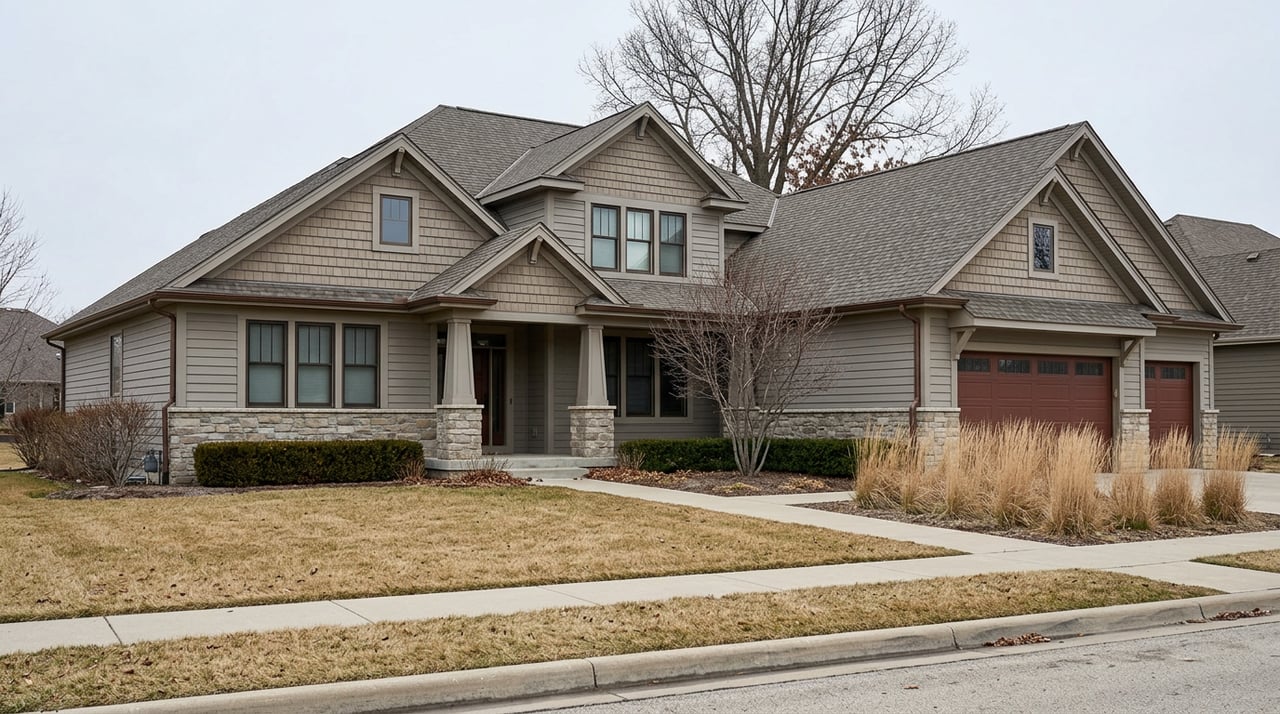
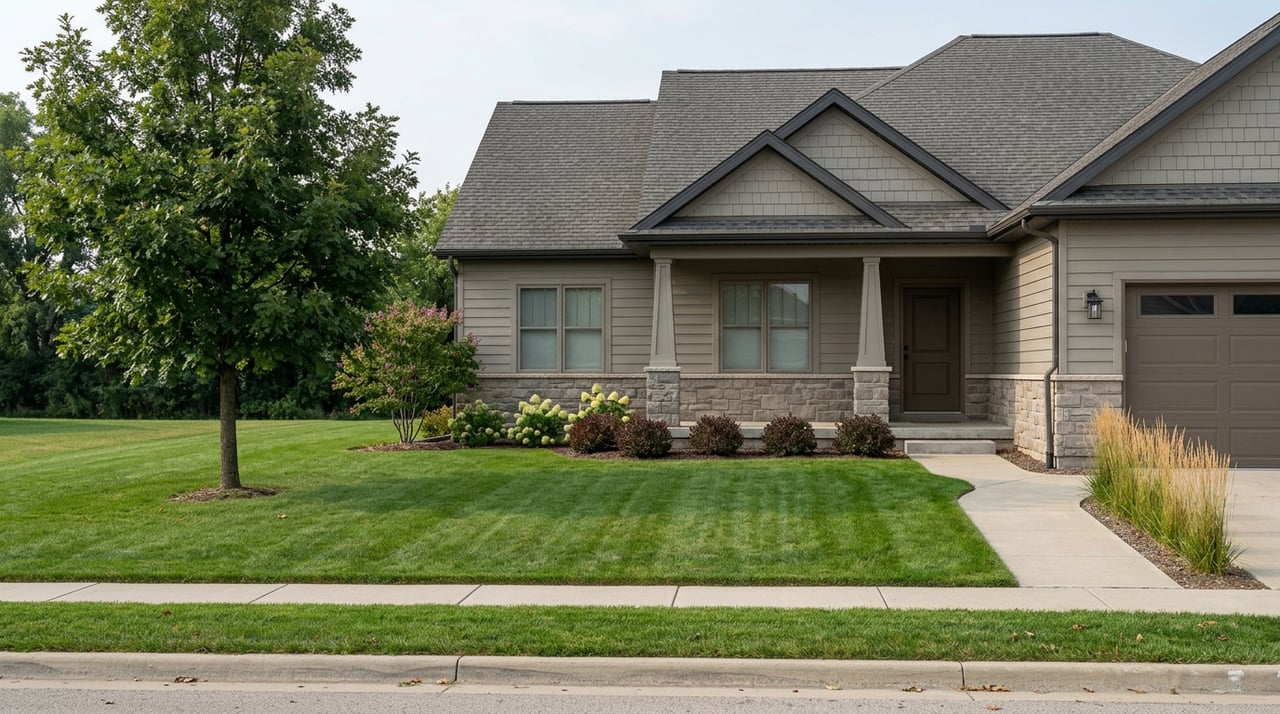
If you are drawn to Oregon’s atmosphere, the next question is usually about housing. The village’s planning documents show that single-family residential is the largest land use, making up about 32% of village land area. That helps explain why detached homes remain a central part of the local housing picture.
At the same time, Oregon is not limited to one housing type. The village’s comprehensive plan describes a range of formats including single-family homes, accessory dwelling units, two-family homes, duplexes, townhomes, apartments, and condos.
That variety matters if you are buying in a changing season of life. You may be looking for your first home, a lower-maintenance townhome, more space, or a property that keeps you close to village amenities. Oregon offers a broader mix than some buyers expect from a small-town setting.
Another reason Oregon appeals to buyers is that it does not feel one-note. Planning documents point to a mix of established neighborhoods with older homes, as well as townhomes, duplexes, and areas planned for different residential scales.
The downtown master plan describes older in-town neighborhoods and transition areas that include townhome-style housing between single-family areas and downtown. The comprehensive plan also maps several residential categories, including low-scale neighborhood, mid-scale neighborhood, planned neighborhood, mixed-use, and exurban residential.
In practical terms, that means your experience can vary depending on where you look. Some areas may feel tighter and more central, while others may offer a more open-edge residential setting. That range can be helpful if you want the Oregon address but have a specific lifestyle in mind.
Oregon’s archived residential land-use table also helps explain why the village can feel different from block to block. Detached-home districts range from smaller lot standards around 4,200 square feet to larger standards like 12,000 or even 40,000 square feet in some districts, according to the village archive.
This is planning context, not a substitute for reviewing a specific property, but it does show the range of neighborhood patterns. If you want a more traditional in-town feel, a lower-maintenance setup, or a more open residential edge, Oregon has planning support for several housing environments.
Homebuyers often compare Oregon with other south-side Dane County communities. The differences are not just about distance. They are often about scale, setting, and overall feel.
Fitchburg is the larger, more urbanized option. Its city website describes a community of more than 34,000 residents across 35 square miles, with contemporary urban settings, businesses, and 818 acres of parkland and trails.
By comparison, Oregon feels smaller and more village-like. If you want a quieter pace and a more compact footprint, Oregon may feel more comfortable.
McFarland presents itself as a small-town community on Lake Waubesa with quick Beltline and Interstate 90 access, along with parks and conservancy areas. That can be appealing if lake access and highway convenience are high priorities.
Oregon offers a different identity. Its appeal is less lake-centered and more tied to a compact village center, parks, civic amenities, and a self-contained community feel.
Stoughton is known for its historic identity, opera house, arts district, and location about 15 miles south of Madison, according to the City of Stoughton. It has a more explicitly historic brand.
Oregon is closer to Madison and generally reads as less historic in character, while still offering theater, arts, and recreation. For some buyers, that creates a nice middle ground between convenience and community texture.
The strongest case for Oregon is not that it is remote or flashy. It is that the village offers a practical, appealing middle ground. You get closeness to Madison, a compact layout, a strong park system, and community amenities that make daily life feel rooted.
That can be especially appealing if you want more breathing room than a larger suburb offers, but you are not looking for a fully rural setting. Oregon fits buyers who value neighborhood feel, outdoor access, and a community that seems established and active.
If Oregon is on your radar, it helps to think beyond square footage alone. As you compare homes, pay attention to the part of the village, the housing style, and how close you want to be to parks, downtown areas, or main commuter routes.
It is also worth understanding the broader market context. Census Reporter estimates the median owner-occupied home value in Oregon at about $417,200, which reflects an established south Dane County market.
The right fit often comes down to how you want your day-to-day life to feel. If you want a community that is quiet, connected, and easier to navigate than many larger suburbs, Oregon is worth a serious look.
If you are thinking about buying in Oregon or comparing it with other Dane County communities, Madison Lifestyle can help you sort through the neighborhood feel, housing options, and commute tradeoffs so you can find the right fit for your lifestyle.

Madison is more than just a zip code — it’s a lifestyle. Whether you want a loft in the city, a home in the ‘burbs, or a secluded cabin on wooded acreage, we’re here to help you find a place that feels like home.
MADISON LIFESTYLE
[email protected]
A: (608) 577-8318
W: (608) 212-2928
O: (608) 336-3311
ADDRESS 7633 Ganser Way Ste 101 Madison WI 53719