
Are you trying to decide between a home in the heart of Mount Horeb and a property with more land just outside the village? It is a common question, especially if you want the right mix of convenience, privacy, and day-to-day ease. The good news is that both options can work well, but they support very different lifestyles. Here’s how to think through in-town living versus nearby rural homes in the Mount Horeb area.
Mount Horeb is a compact Dane County village with an estimated population of 7,803 in 2024 on just 3.23 square miles of land. That adds up to a relatively concentrated community pattern, with a population density of 2,404.3 people per square mile and a 70.8% owner-occupied housing rate. The median owner-occupied home value is $388,900, and the mean commute time to work is 24.6 minutes.
That size matters when you compare in-town and rural living. In Mount Horeb itself, you are looking at a true village setting with connected streets, local destinations, and public services close at hand. Outside the village, the landscape and zoning shift quickly toward larger parcels, more agricultural uses, and more owner responsibility.
If you choose in-town Mount Horeb, daily life often centers on convenience. The village highlights its historic Main Street, known as the Trollway, along with local shops, restaurants, the Military Ridge State Trail, and access to outdoor spots like Blue Mound State Park and Stewart Lake County Park.
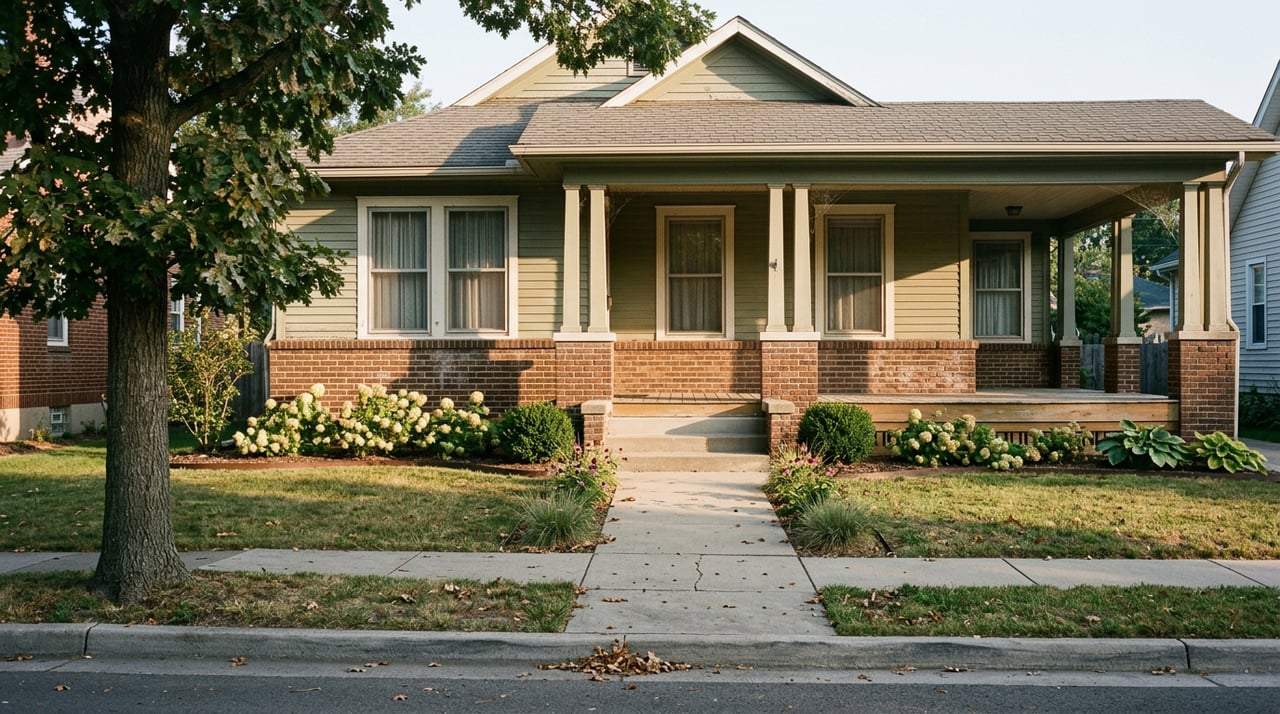
The village’s planning documents describe neighborhoods as compact and intentionally designed so many essential amenities are within walking distance. They also emphasize interconnected roads, trails, and open space. For many buyers, that creates a lifestyle that feels organized, accessible, and easy to enjoy.
Mount Horeb’s 2025 housing assessment shows that one-unit attached and one-unit detached homes make up 85% of the village’s housing stock. Most of the housing was built between 2000 and 2009. In practical terms, that means in-town Mount Horeb often offers single-family neighborhood living, with some attached and higher-density options mixed in.
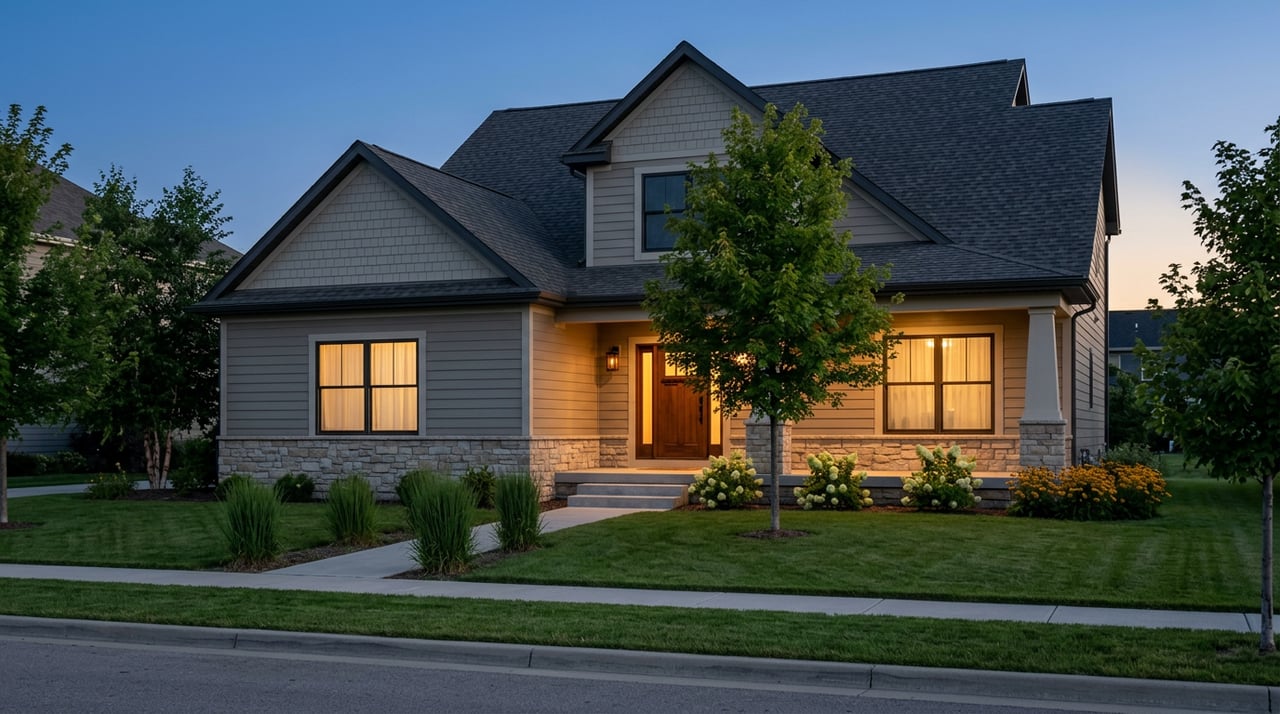
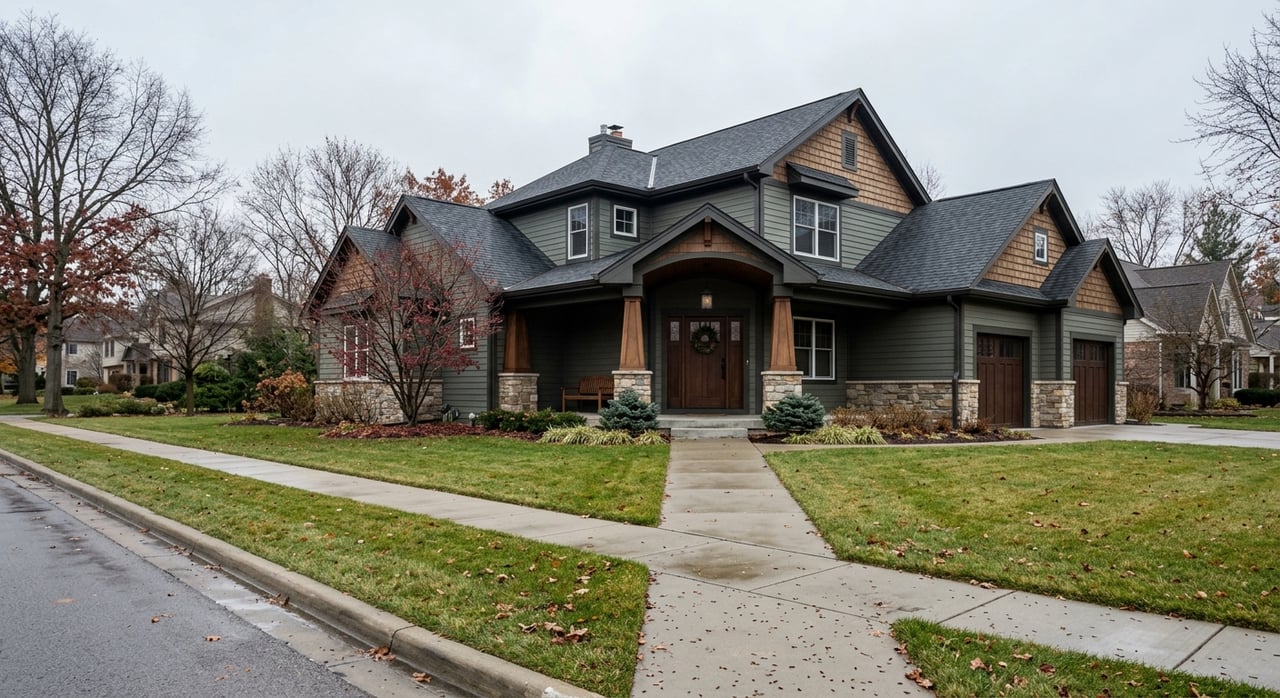
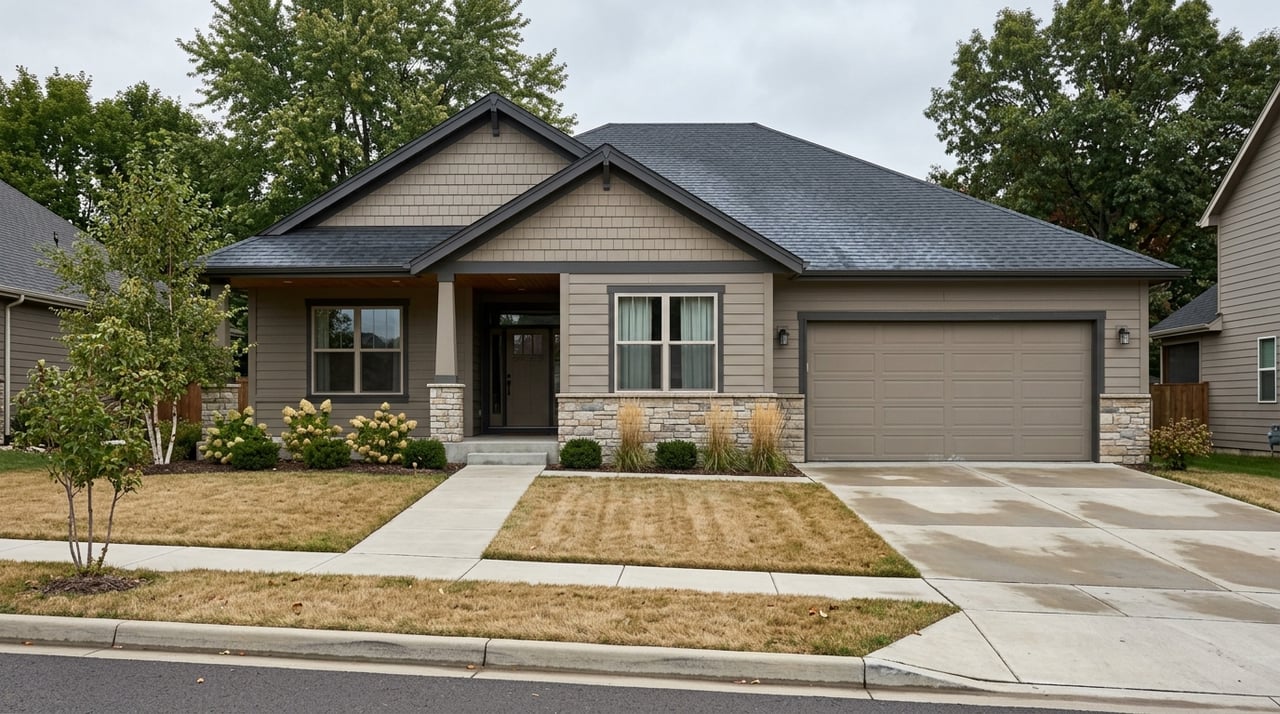
If you want a neighborhood setting rather than acreage, this is an important clue. You are more likely to find homes on village lots with nearby neighbors and established streets than large rural parcels with room for extensive outbuildings.
One of the biggest advantages of in-town living is how much infrastructure the village manages for you. Mount Horeb maintains more than forty miles of streets and oversees parks, forestry, stormwater, and seasonal leaf and brush pickup. The village parks system also includes 18 parks and facilities, along with an aquatic center.
That support can make a real difference in your routine. If you want easier access to recreation and less exterior self-management, an in-town property may line up better with your goals.
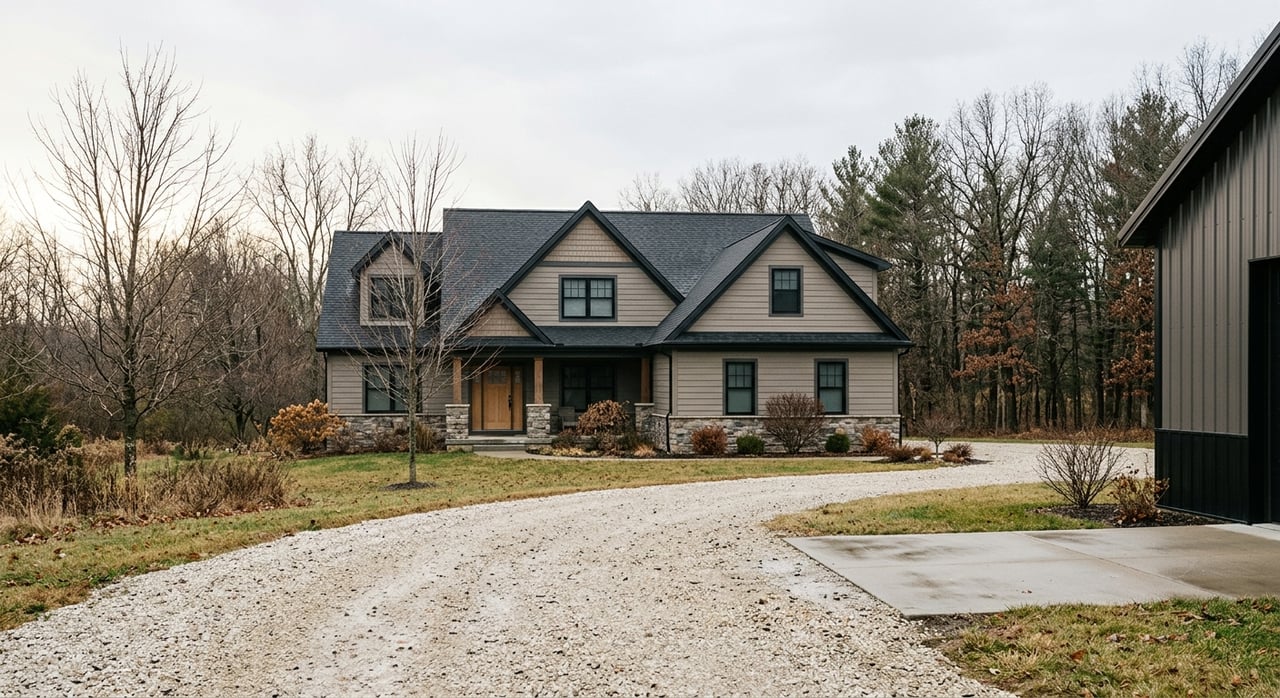
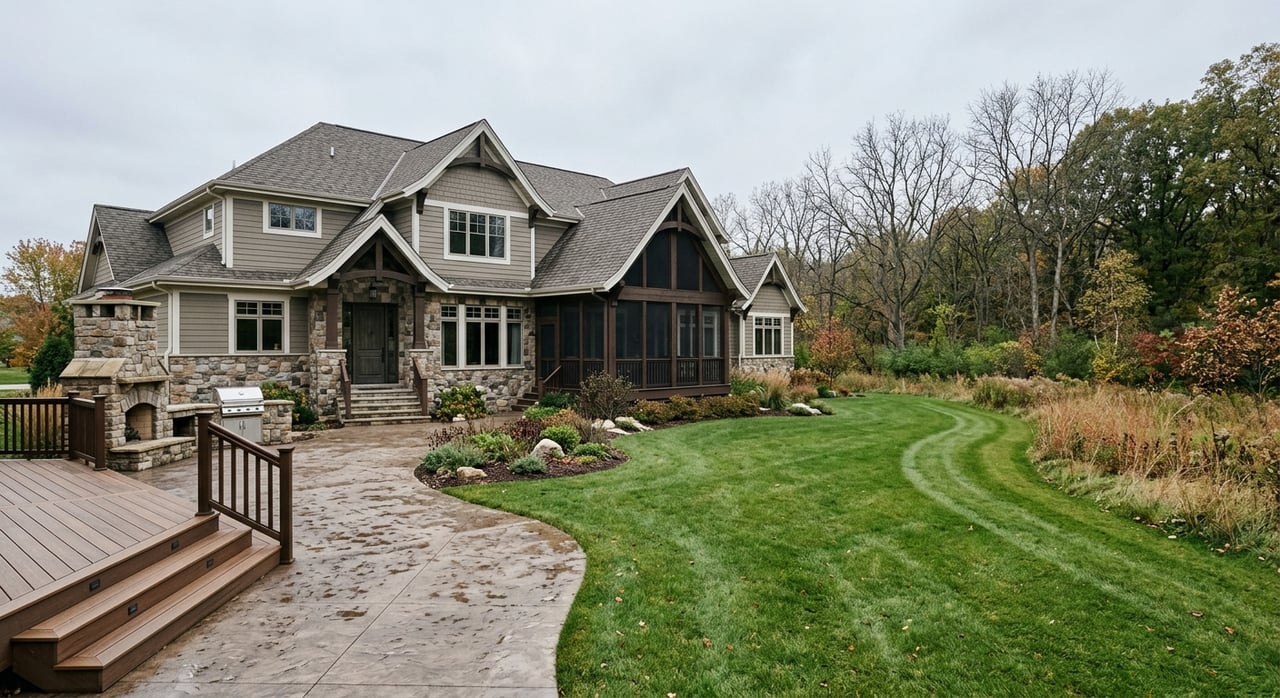
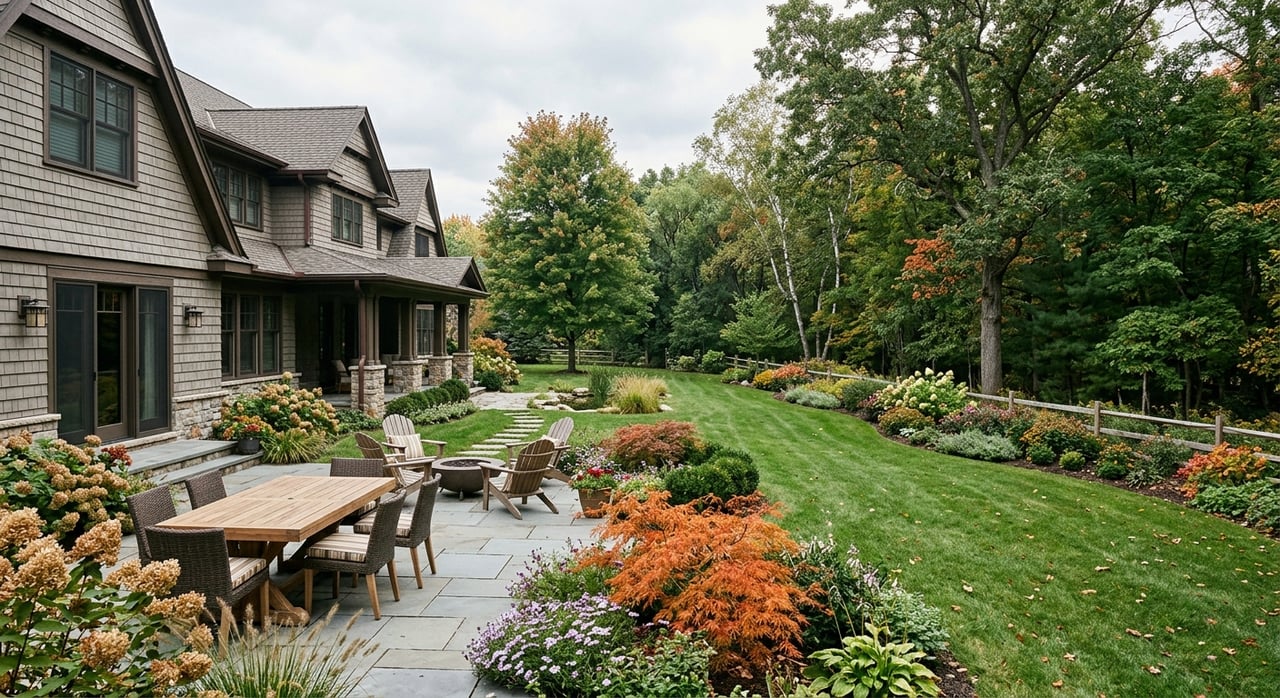
Just outside Mount Horeb, the experience changes. Rural properties in Dane County often come with larger lots, more privacy, and zoning that can allow accessory buildings, small-scale farming, and agricultural uses depending on the district.
For buyers drawn to space and flexibility, that can be a major plus. But rural living is not just about a bigger yard. It usually means a more hands-on property lifestyle.
In Dane County’s RR-8 rural residential district, the minimum lot size is 8 acres. The district allows one single-family home per parcel, detached accessory buildings, home occupations, small-scale farming, and livestock at one animal unit per full acre.
In the RM-16 rural mixed-use district, the minimum lot size is 16 acres. This district allows agriculture, one single-family residence per parcel, agricultural accessory buildings, and detached accessory buildings that meet ordinance requirements.
In the FP-35 farmland preservation district, the minimum lot size is 35 acres. Agricultural uses are the main focus, and the district is much more oriented toward farm operations, including buildings like barns, machine sheds, and workshops that are not typical in village neighborhoods.
The extra freedom of a rural property often comes with extra homework. Dane County says rural landowners are responsible for approvals related to wells, septic systems, driveway access to public roads, stormwater management, and compliance with floodplain, wetland, and shoreland regulations.
Depending on the property, development may also require surveying, zoning review, or possible lot creation. If you are considering a rural home near Mount Horeb, it is wise to think beyond the house itself and look closely at the land, structures, and approval requirements.
For most buyers, this decision comes down to one core tradeoff: daily convenience versus land and self-direction. Neither choice is automatically better. The better fit depends on how you want your days to feel.
If you picture morning coffee with a quick walk to village amenities, easier upkeep, and neighborhood connectivity, in-town Mount Horeb may feel like home. If you picture privacy, room for equipment or hobbies, and a property that gives you more control over how you use the land, a nearby rural home may be the stronger match.
Commute planning matters in this part of Dane County. Mount Horeb’s 2025 housing assessment shows that 36% of residents who leave the community for work commute to Madison. Another 8% commute to Middleton and Verona, and 6% commute to Fitchburg.
The same report notes that 2,783 residents leave the community for work while 1,333 people enter Mount Horeb for work. That tells you Mount Horeb functions as part of the broader Madison-area commute network.
If you work in Madison, Middleton, Verona, or Fitchburg, your home choice affects more than your drive time. It can shape how quickly you get out the door, how much property you maintain before or after work, and how easy it feels to fit errands or recreation into a weekday.
An in-town home may streamline daily routines with closer access to village services and amenities. A rural home may give you the space you want, but it can also add more property-related tasks to your week.
Before choosing between in-town Mount Horeb and a nearby rural property, ask yourself:
These questions can quickly clarify which option fits your real life, not just your wish list.
In-town Mount Horeb is often the better fit if you want a compact village setting, easier access to services and recreation, and less property self-management. The housing stock also tends to align with buyers looking for neighborhood-based single-family living rather than acreage.
Nearby rural homes are often the better fit if you want larger parcels, more privacy, room for outbuildings, and a more self-directed property setup. They can offer a lot of flexibility, but they usually ask more of you in return.
A smart move is to compare not just square footage and price, but also how each option supports your routine, commute, maintenance comfort level, and long-term plans. That is often where the clearest answer shows up.
If you’re weighing Mount Horeb in-town living against nearby rural homes, the right guidance can make the decision much clearer. The team at Madison Lifestyle can help you compare neighborhoods, property types, and lifestyle tradeoffs across Mount Horeb and greater Dane County.
Madison is more than just a zip code — it’s a lifestyle. Whether you want a loft in the city, a home in the ‘burbs, or a secluded cabin on wooded acreage, we’re here to help you find a place that feels like home.
MADISON LIFESTYLE
[email protected]
A: (608) 577-8318
W: (608) 212-2928
O: (608) 336-3311
ADDRESS 7633 Ganser Way Ste 101 Madison WI 53719