
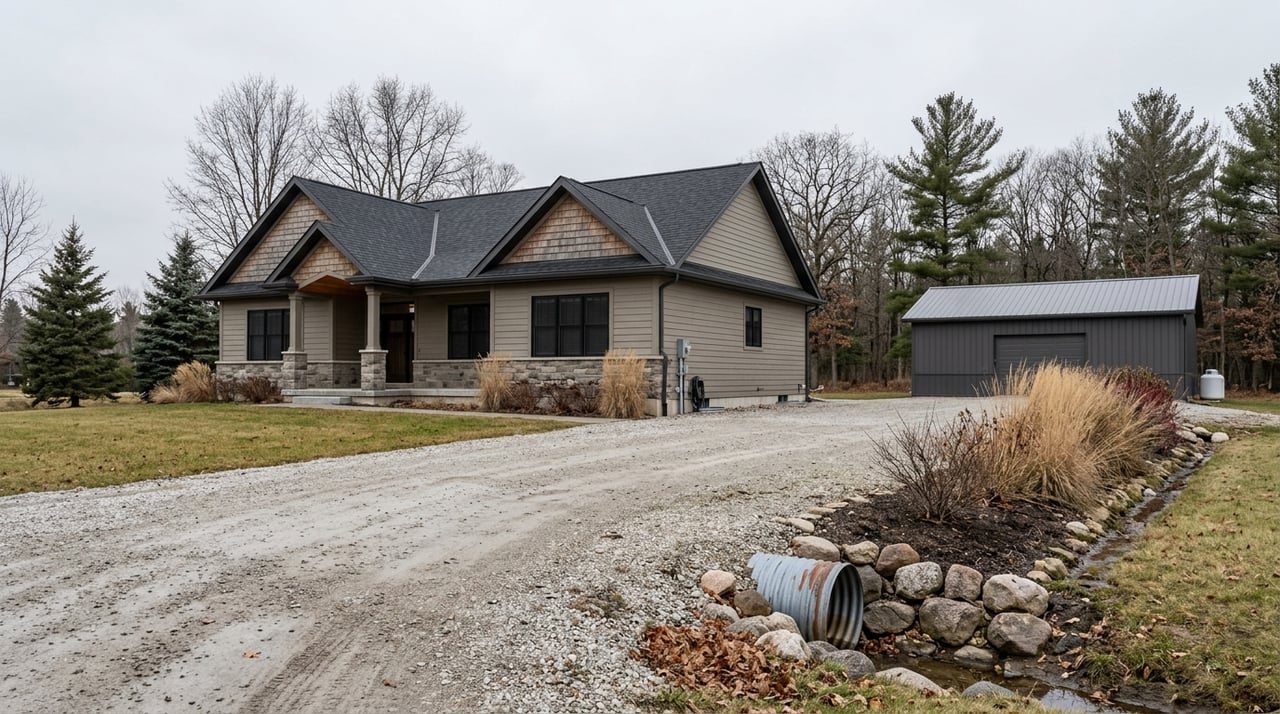
Dreaming about a little more elbow room near Madison? Buying rural acreage around Mount Horeb can offer the space, views, and outdoor access many buyers want, but it also comes with questions you do not always face in a typical in-town purchase. If you are considering country property in this part of Dane County, this guide will help you understand the landscape, the practical checks to make, and the lifestyle that comes with owning land here. Let’s dive in.
Mount Horeb sits about 20 miles west of Madison, which makes it a practical option if you want more land while staying connected to the metro area. According to village information from Mount Horeb, that location is part of what gives the area its appeal.
The other big draw is the setting. The area is part of Wisconsin’s Driftless landscape, a region the Wisconsin DNR describes as shaped by hills and valleys rather than flatter glacial terrain. For you as a buyer, that often means rolling land, wooded edges, scenic views, and parcels with more topography than you might expect.
In the Mount Horeb area, acreage is not always simple, open, flat ground. A parcel may include slopes, drainage swales, wooded sections, or rock outcroppings, all of which can affect where a home sits and how the land functions.
That matters because beautiful land is not always easy land. A dramatic view may come with a steeper driveway, and a peaceful valley setting may require closer attention to drainage, grading, and buildable areas.
Rural properties can have irregular lot lines, shared access points, or building envelopes that are more limited than they appear at first glance. When you walk land in this area, it helps to look beyond the listing photos and think about how you would actually use the site.
If you plan to build, expand, or add features later, the shape and layout of the parcel become just as important as the total acreage number. More land does not always mean more usable land.
One of the biggest differences between in-town homes and rural acreage is utilities. Public Health Madison & Dane County notes that rural properties may rely on private wells and septic systems, and buyers should verify that rather than assume a property is connected to municipal services.
Before building a new well in Dane County, a local well location permit is required, and a DNR well construction permit is also needed. The same county resource explains that sanitary permits and records for private septic systems are handled locally, which makes record review an important part of due diligence.
If a property has a private well, you will want to know:
Public Health Madison & Dane County advises private well owners to test annually for bacteria and nitrate/nitrite, and to test sooner if flooding occurs or if the water’s taste, smell, or appearance changes. Since private well maintenance is largely the owner’s responsibility, these details matter for both short-term confidence and long-term planning.
Septic systems deserve the same level of attention. County health officials state that most septic systems in Dane County require inspection every three years, and pumping is required when tanks are one-third or more full with combined scum and sludge, according to Public Health Madison & Dane County guidance.
When you are evaluating acreage, ask for:
These are not small details. They affect how the property functions and what future repairs or improvements may involve.
A common assumption with rural property is that you can add a barn, workshop, shed, or other accessory structure whenever you want. In practice, Dane County permits and zoning rules show that new construction and land-use changes are regulated, and accessory building rules vary by zoning district.
That means your vision for the land should be checked against actual zoning, not just the current look of the property. A building that seems like a natural fit for an acreage parcel may still face restrictions based on the zoning classification.
Some rural parcels may also be affected by farmland preservation or related zoning considerations. Dane County explains that its Farmland Preservation Program is tied to zoning eligibility, agricultural compliance, and in some cases township-specific planning.
For you, this means a property may carry tax, zoning, or development implications that are worth reviewing early. If you are thinking about changing the use of the land, adding structures, or holding the property for future plans, this step is especially important.
Because this region is hilly, water movement is a real part of rural ownership. Dane County states that erosion-control and stormwater permits may be needed when a project disturbs the ground or creates impervious surface.
That can apply to more than major construction. Driveway changes, grading, additions, new pads, or pond work may all trigger a closer look depending on the scope of the project.
A property can look great during a showing and still present challenges after a wet spring or snowy winter. In this area, a practical buyer looks at how the site handles water, how access works year-round, and whether future improvements seem realistic under current county rules.
This is one of the biggest mindset shifts with acreage. You are not just buying a house. You are buying a site that needs to stay functional over time.
Before you move forward on rural acreage near Mount Horeb, make sure you understand the basics of access, systems, and land use. A few early questions can save you time and help you avoid surprises later.
Here are some of the most useful questions to ask:
These are practical questions, not red flags by default. They simply reflect how rural properties work.
With acreage, your costs go beyond the mortgage and taxes. Dane County’s stormwater guidance also points to the reality that site changes and land disturbance can require review, and routine upkeep is part of owning this kind of property.
Depending on the parcel, long-term costs may include:
If you love the idea of country living, this list should not scare you off. It should simply help you budget realistically and choose a property that fits the level of upkeep you want.
The value of acreage near Mount Horeb is not only about the land itself. It is also about access to the broader outdoor lifestyle in western Dane County and nearby state park areas.
The Military Ridge State Trail is a 40-mile trail connecting Dodgeville and Madison, and it runs along the southern borders of Governor Dodge and Blue Mound state parks. For buyers who want room to spread out but still enjoy biking, hiking, or skiing nearby, that recreation network adds meaningful day-to-day value.
Blue Mound State Park offers more than 20 miles of hiking, off-road biking, and cross-country ski trails, with access to the Military Ridge State Trail. The DNR also notes that it sits atop the highest point in southern Wisconsin, which speaks to the area’s hilly terrain and scenic character.
Governor Dodge State Park is one of Wisconsin’s largest parks, with 5,350 acres and nearly 40 miles of trails. It offers a wide range of outdoor recreation and gives this part of the region even more appeal for buyers who want a countryside setting with easy access to places to explore.
Closer to the village, Stewart Lake County Park includes hiking trails, fishing, a beach area, and an accessible fishing pier. It is another reminder that living near Mount Horeb can offer both private space and convenient outdoor amenities.
If you want space, scenery, and a stronger connection to the landscape while still staying within reach of Madison, Mount Horeb-area acreage can be a compelling option. The tradeoff is that you need to evaluate more than the house itself, including topography, utilities, zoning, site conditions, and long-term maintenance.
That is where local guidance matters. The right acreage purchase is not just about finding land that looks good online. It is about finding property that fits how you want to live and what you want the land to do over time.
If you are exploring rural homes or land in western Dane County, Madison Lifestyle can help you evaluate the lifestyle fit, the property details, and the questions worth asking before you move forward.
Madison is more than just a zip code — it’s a lifestyle. Whether you want a loft in the city, a home in the ‘burbs, or a secluded cabin on wooded acreage, we’re here to help you find a place that feels like home.
MADISON LIFESTYLE
[email protected]
A: (608) 577-8318
W: (608) 212-2928
O: (608) 336-3311
ADDRESS 7633 Ganser Way Ste 101 Madison WI 53719