
Thinking about moving to DeForest? You probably want a quieter place with more space, but you still need a reliable Madison commute and everyday conveniences close by. You’re not alone. DeForest has been growing quickly for exactly those reasons. In this guide, you’ll get a clear picture of commute options, neighborhoods, parks, dining, and current housing trends so you can plan your move with confidence. Let’s dive in.
DeForest offers a mix of classic downtown streets, established subdivisions, and large master‑planned areas near the Yahara River. You can choose older character close to Main Street or a newer home with trails and green space. Here is how the main areas feel on the ground.
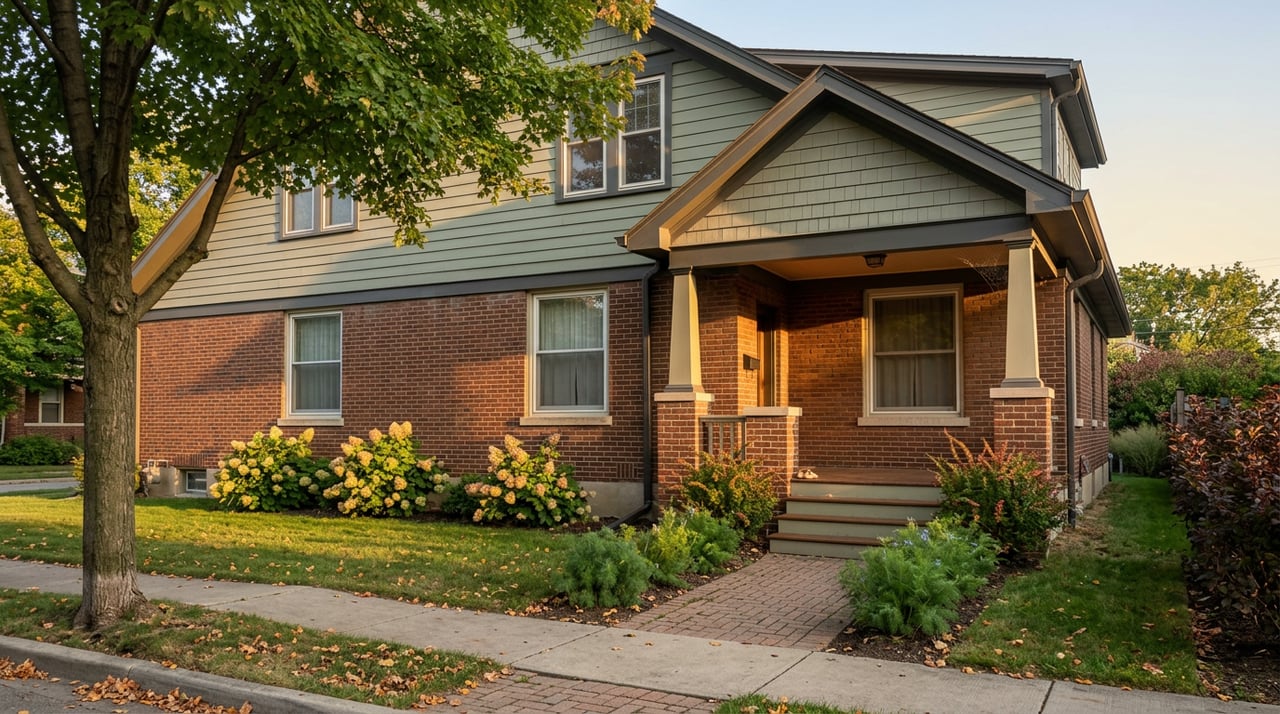
If you want sidewalks, short walks to the library, and local services, start around Main Street and the blocks nearby. You’ll find older single‑family homes on smaller lots and quick access to village amenities. This area sits near the Yahara River corridor and is a short drive to US‑51 for commuting.
The 650‑acre Conservancy Place area lines the Yahara River and weaves in trails and preserved open space. Neighborhoods like Rivers Turn sit within this broader plan, which blends single‑family homes, townhomes, and nearby natural areas. Many homes here are east of Main Street with convenient access to US‑51 and County V. Learn more about the master plan on the Conservancy Place page.
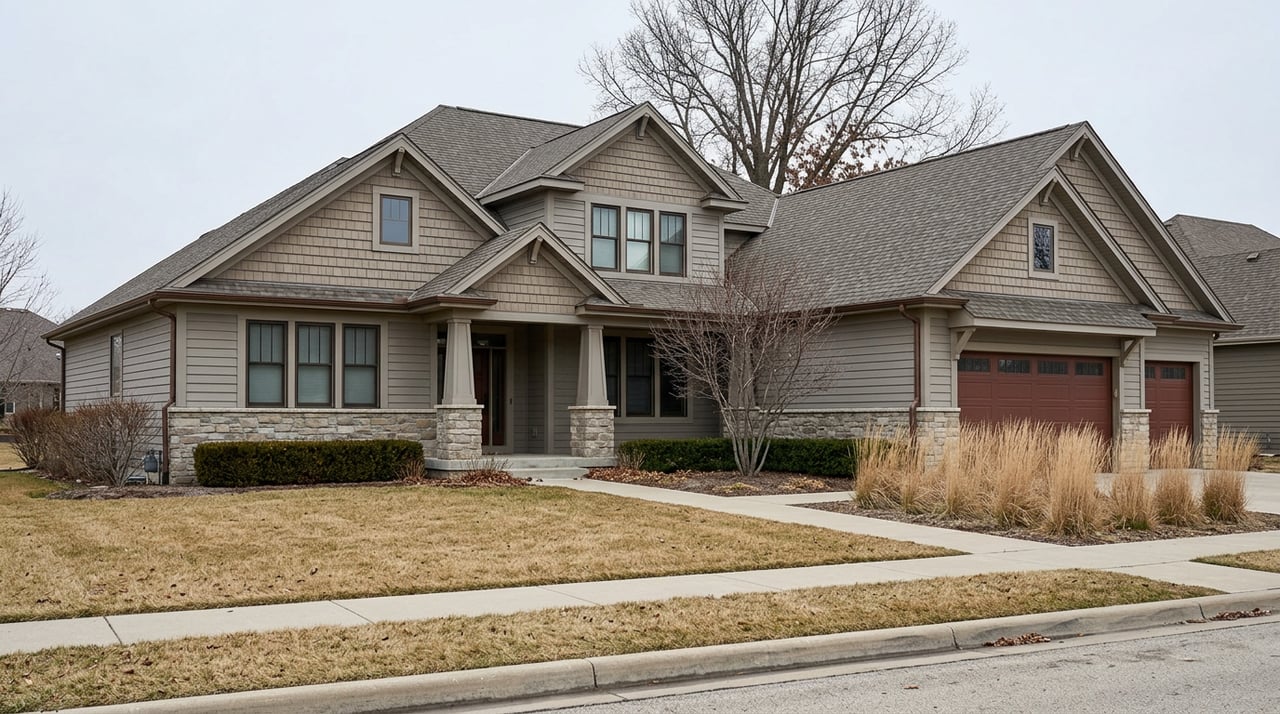
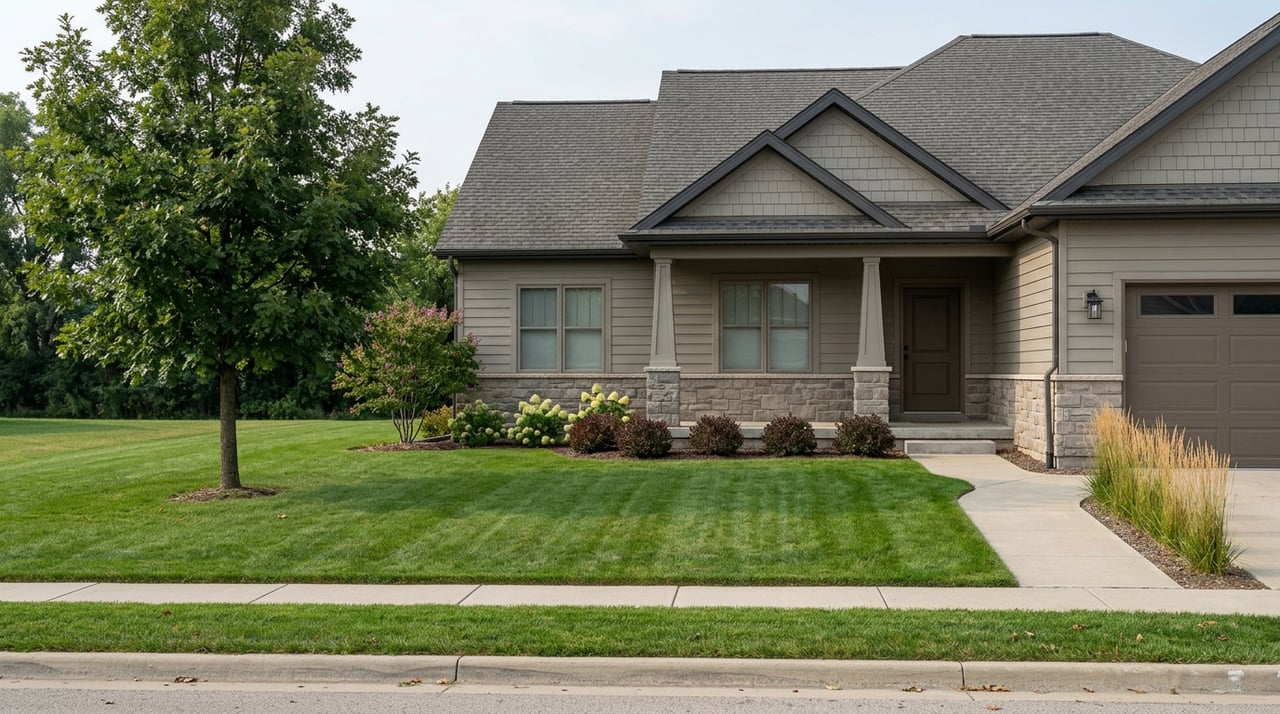
Subdivisions such as Fox Hill Estates, Heritage Gardens, Park Crossing, and Savannah Brooks are the neighborhoods long‑time residents often mention. Expect single‑family homes on neighborhood lots with easy drives to schools, parks, and shopping. These areas are spread around the village, generally within a few minutes of the US‑51 corridor for commuting.
Recent growth has added new‑build options in communities like Bear Tree Farms and DeForest Yards, among others. You’ll see larger floor plans, modern layouts, and trail connections that link back toward the river and parks. These newer areas sit near interstate access points via US‑51 and County V, which helps keep regional drives straightforward.
Most residents commute by car. DeForest is roughly 12–16 miles north of downtown Madison, depending on your exact start and end points. Off‑peak drives can be 15–25 minutes, while the ACS reports a 26.2‑minute mean door‑to‑door time, reflecting peak traffic differences. U.S. Census QuickFacts
Pro tip: Time your exact commute on a weekday during your target hours. Small distance differences and an interstate nearby can change peak travel times.
For a village this size, the park system is a standout. DeForest maintains 22 parks and about 390 acres of park and open space, including neighborhood parks, community fields, and Yahara River conservancy areas. The park plan also highlights possible additions such as a mountain‑bike park and a skate or pump‑track concept. Explore the full inventory in the 2024 Comprehensive Outdoor Recreation Plan.
Local favorites to check out:
The village’s events calendar adds a friendly rhythm to the year. You’ll find a farmers market, seasonal gatherings, and programs through the Cornerstone Community Center. See upcoming happenings on the Visit & Play page.
You’ll have everyday dining and coffee close to home, with broader choices a short drive into Madison or Sun Prairie.
Use neutral, current sources when comparing schools, and confirm any boundary or program questions directly with the district.
DeForest’s growth shows up in both sale prices and new construction. The ACS estimates a median owner‑occupied home value around $359,600, which reflects what current owners think their homes are worth. The South Central Wisconsin MLS, summarized by the village’s housing report, shows a 2024 median single‑family sale price around $442,900 for the combined DeForest–Windsor area. Prices climbed about 121% from 2014 to 2024, with an 11% change from 2023 to 2024. Village housing inventory and permits and U.S. Census QuickFacts
Inventory has evolved too. In 2024, about 30% of new permits were single‑family, 9% were duplex, and 61% were multifamily. That mix means more apartments and townhome or condo choices than a decade ago, while single‑family lots remain in demand. The 2024 permit spike also signals active subdivisions, builder timelines to watch, and competition for the best lots. Village housing inventory and permits
A little homework up front makes your move smoother. Use this quick checklist as you explore.
Drive your commute during the hours you would travel. Off‑peak times can be much shorter than the true rush‑hour trip. U.S. Census QuickFacts
Confirm school assignment for any address. Check district maps and tools via the village’s Life in DeForest page, and review DPI report‑card context using trusted sources such as the DPI summaries noted in local coverage.
If you are considering new construction, ask about completion timelines, HOA rules, and utility details. With 2024’s high permit activity, schedules and budgets can shift. The village’s permit reports offer helpful context. Village housing inventory and permits
Check how a property relates to the river corridor, mapped wetlands, and any floodplain. This can affect basement designs, privacy, and insurance needs. See the Yahara corridor details in the parks and open‑space plan.
Preview your everyday life. Use the Chamber directory and the village Visit & Play calendar to map out coffee, dining, kids’ programs, and weekend parks near each home you tour.
If you want a small‑town feel, quick access to Madison, and a strong network of parks and trails, DeForest is worth a close look. You will see a mix of classic homes near Main Street, established subdivisions with neighborhood character, and newer areas with trails and open space along the Yahara River. With active building activity and a maturing mix of housing types, there is a practical path here for many buyers.
If you are ready to compare neighborhoods, tour homes, or line up a builder conversation, we are here to help. Connect with Madison Lifestyle to talk through commute needs, school questions, and the best fit for your move.

Madison is more than just a zip code — it’s a lifestyle. Whether you want a loft in the city, a home in the ‘burbs, or a secluded cabin on wooded acreage, we’re here to help you find a place that feels like home.
MADISON LIFESTYLE
[email protected]
A: (608) 577-8318
W: (608) 212-2928
O: (608) 336-3311
ADDRESS 7633 Ganser Way Ste 101 Madison WI 53719