
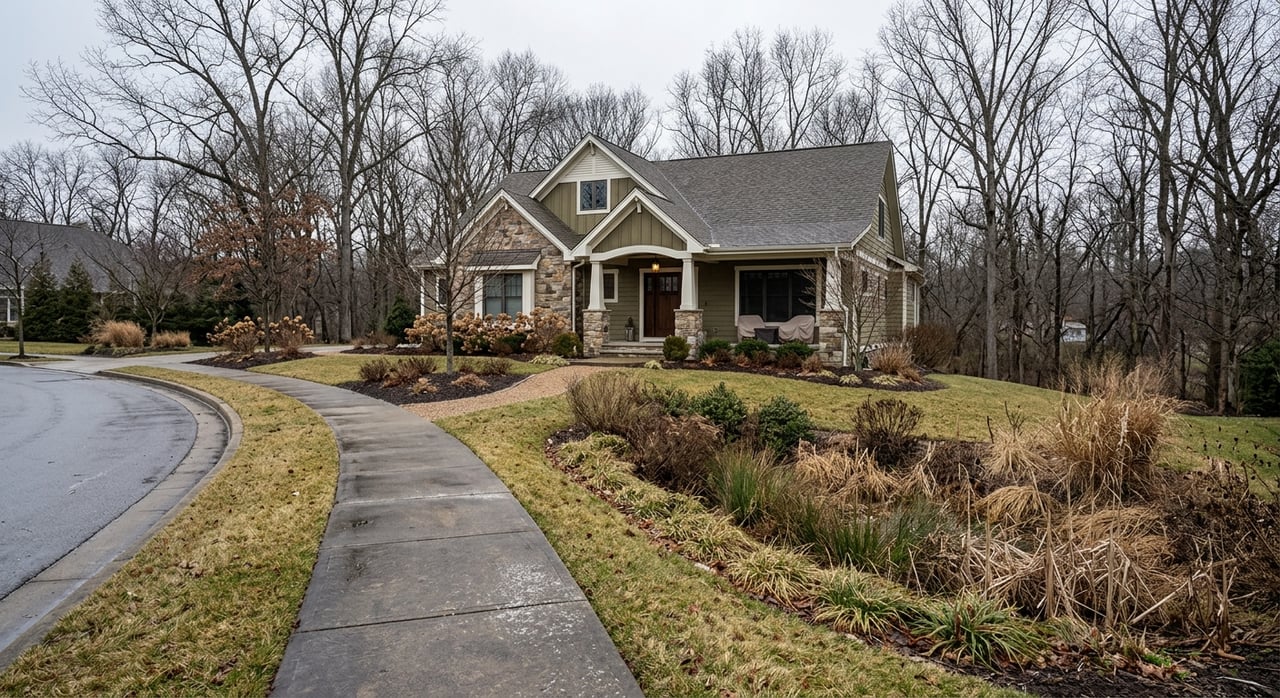
Trying to choose between Cross Plains and Mount Horeb? If you want a Hill Country lifestyle west of Madison, both villages offer easy access to nature, a strong sense of place, and distinct daily rhythms. The right fit often comes down to how you want your week to feel, from your commute and errands to your favorite trails, downtown stops, and neighborhood setting. Let’s dive in.
If you are comparing these two Dane County villages, the simplest way to think about them is this: Cross Plains feels a bit closer in and more trail-first, while Mount Horeb feels more downtown-programmed and park-centered.
According to Village of Cross Plains community information, Cross Plains is about 12 miles west of Madison, and village market analysis places it about 14 miles west of Madison and six miles west of Middleton. Mount Horeb, by comparison, is about 15 miles west of Madison, according to the Village of Mount Horeb comprehensive plan. It also notes direct access to U.S. 18/151.
That does not make one village better than the other. It simply means your day-to-day patterns may feel a little different depending on where you land.
If you expect to spend a lot of time in Middleton or on Madison’s west side, Cross Plains may feel more convenient for regular errands and short drives. Village materials consistently position it as the closer-in western option along this corridor.
That can matter if your routine includes frequent trips for work, appointments, shopping, or dining in those areas. A few miles may not sound like much, but it can shape how often you pop into town during the week.
Mount Horeb is still within the same broader western Dane County orbit, but it sits farther out. The village’s planning documents describe it as a southwestern Dane County community with direct access to U.S. 18/151.
For some buyers, that extra distance is part of the appeal. It can create more of a destination feel, especially if you want your home base to feel a little more separate from the busier Madison-side routine.
Cross Plains stands out for its connection to the Ice Age Trail. The village says it is one of the Ice Age Trail Communities, and it also highlights that the Ice Age Trail Alliance headquarters is located downtown on Main Street.
The village’s parks and open space materials describe trail access from village streets, scenic overlooks, and conservancy land. Cross Plains also says it maintains 160 acres of conservancy land open year-round for hiking and cross-country skiing, along with 13 parks with active amenities.
If your ideal week includes heading straight from home to a trail, scenic walk, or winter outing, Cross Plains has a clear identity around that kind of daily access. The village also highlights Black Earth Creek as a defining natural feature, which adds to the outdoors-forward feel.
Mount Horeb’s outdoor setup feels a bit different. Rather than centering on the Ice Age Trail identity, it leans into a larger park system and access to the Military Ridge State Trail.
According to the village parks information, Mount Horeb maintains 18 parks and related facilities. The village also notes that the Mount Horeb Station support facility for the Military Ridge State Trail sits two blocks south of Main Street and includes parking, heated restrooms, a shelter, and trail information.
Waltz Park is adjacent to the trail, and village planning materials say future walking trails are intended to connect neighborhoods with the recreation system and the nearby Military Ridge Bike Trail. The Wisconsin DNR notes that the 40-mile Military Ridge State Trail is open year-round, though bicycling and inline skating require a state trail pass.
If you picture weekends built around biking, walking, parks, and community recreation spaces, Mount Horeb offers a strong version of that lifestyle.
Cross Plains has a smaller-scale food and drink scene that reads as local and compact. The chamber directory highlights Crossroads Coffeehouse, and village and chamber materials also point to spots like Creekside Scoop, Remington’s Tavern, and Bakes & Bites by G.
That kind of lineup supports a village atmosphere where a few familiar stops can become part of your regular routine. If you like a simple Main Street pattern with local favorites close at hand, that may be part of Cross Plains’ appeal.
Mount Horeb’s planning materials describe a more active downtown environment, with a distinguishable village center and several existing restaurants and cafes on Main Street. The village identifies businesses such as Sunn Café and Sjolinds Chocolate House, and its planning and zoning materials support a walkable downtown setting, including sidewalk-café rules.
In practical terms, Mount Horeb may feel more programmed around downtown activity. If you enjoy the idea of a busier Main Street with regular events and a stronger public-facing village center, this difference may stand out.
Cross Plains highlights events tied closely to its natural setting and village traditions. The village frames Trout Days as a spring celebration connected to fishing season and local natural assets.
It also highlights annual Memorial Day parade and service activities, along with National Night Out in August. Together, those events reinforce a community calendar that feels rooted in local traditions and shared gathering points.
Mount Horeb’s comprehensive plan points to annual events such as Thirsty Troll Brew Fest, Art Fair, and Oktoberfest. Village park information also connects Grundahl Park to the annual Summer Frolic festival and a summer concert series.
The village promotes a Thursday downtown farmers market that runs from May through October. If you want more built-in reasons to head downtown throughout the season, Mount Horeb appears to offer a more frequent and visible event rhythm.
Cross Plains village materials describe historic neighborhoods and small-town character. Its comprehensive planning language notes that older Main Street neighborhoods include a variety of housing and building styles, while newer subdivisions are mostly large single-family homes.
That gives Cross Plains a pattern many buyers find easy to understand: an older village core, traditional streets, and newer growth around the edges. The village also calls for a range of housing choices, and current development like the Marchstone project suggests that edge growth is still evolving.
Mount Horeb’s planning documents are more specific about how newer neighborhoods should take shape. The village’s 2022 comprehensive plan recommends Traditional Neighborhood Design in new areas, with housing, parks, and schools within walking distance of shops, services, and jobs.
The same plan emphasizes a hard edge between the urban area and countryside, along with a mix of housing types. For you as a buyer, that can translate into a village-center feel with residential options that range from central streets to edges closer to open countryside.
Choosing between Cross Plains and Mount Horeb is less about rankings and more about rhythm.
Cross Plains may be the better fit if you want:
Mount Horeb may be the better fit if you want:
For many buyers, the best next step is not just reading about both villages. It is driving the route, walking the downtown, and seeing which place feels more natural for your everyday life.
Both Cross Plains and Mount Horeb offer appealing west-of-Madison lifestyles, but they deliver them in different ways. Cross Plains stands out as the trail-first, slightly closer-in option, while Mount Horeb stands out for its downtown activity, broader park system, and intentional village-center planning.
If you are weighing the two, it helps to look beyond square footage and focus on how you want to live. If you want help comparing neighborhoods, commute patterns, and home options in western Dane County, call or text Madison Lifestyle and let’s talk neighborhoods.
Madison is more than just a zip code — it’s a lifestyle. Whether you want a loft in the city, a home in the ‘burbs, or a secluded cabin on wooded acreage, we’re here to help you find a place that feels like home.
MADISON LIFESTYLE
[email protected]
A: (608) 577-8318
W: (608) 212-2928
O: (608) 336-3311
ADDRESS 7633 Ganser Way Ste 101 Madison WI 53719