
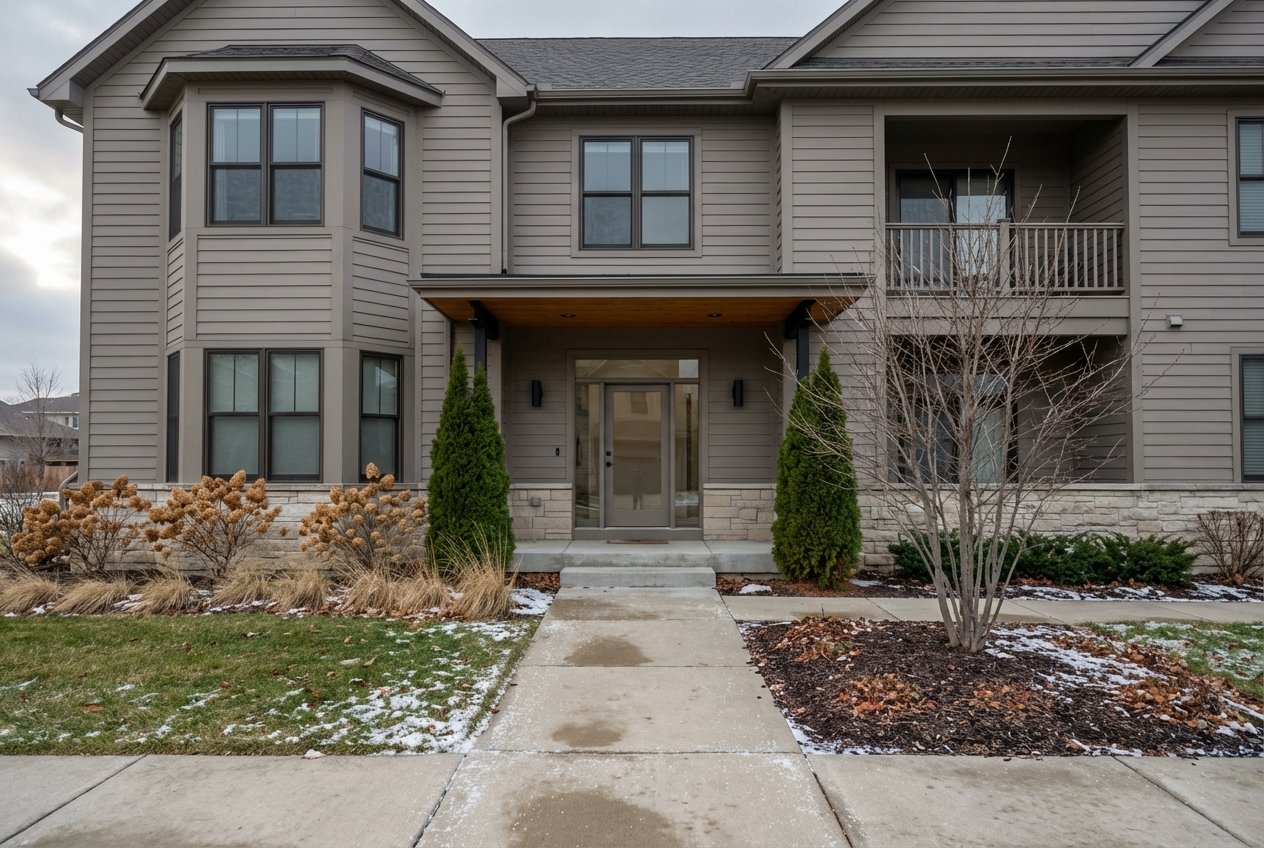
Thinking about a condo in Madison but not sure where to start? You are not alone. Condos can offer walkability, lock-and-leave convenience, and great locations across Dane County, but the details matter. In this guide you will learn how condo ownership works in Wisconsin, what fees and taxes to plan for, how financing differs, what to review before you waive contingencies, and which Madison areas fit different lifestyles. Let’s dive in.
Condos across Madison and Dane County stayed active and competitive through 2025, with median sale prices around the low-to-mid $300Ks and relatively short time on market. Well-priced, well-documented listings can move quickly, especially downtown and near the Capitol. This means you want a strong pre-approval and a plan to act fast when the right unit hits the market.
Not every segment moves at the same speed. Older or larger units at higher price points can allow more negotiation, and inventory varies by neighborhood. Your best strategy is to define must-haves, confirm your budget, and be ready to review the condo’s documents as soon as they are available.
In Wisconsin, a condo is a legal form of ownership, not a building style. You own your unit plus a shared interest in the common areas. The Wisconsin Condominium Ownership Act, found in Chapter 703 of the statutes, sets the rules for how associations operate, what must be disclosed, reserves, records access, and owner rights. You can review the statute directly in Wisconsin Statutes Chapter 703.
These are typically packaged in a resale disclosure packet. Under Chapter 703, you have rights to association records, which helps you understand the building’s health and governance.
Near campus and in rental-heavy areas, you may see buildings that were converted from apartments. Wisconsin law includes specific notice and disclosure protections for these situations. If you are eyeing a recently converted building, make sure you receive and understand those disclosures, as outlined in Chapter 703.
Condo fees typically pay for exterior and common-area maintenance, landscaping, snow removal, some shared utilities, master building insurance, management, and amenities like a gym or pool. A portion should fund reserves for future capital repairs. Associations may also levy special assessments for large or unexpected projects. For a plain-English primer on what fees include, see this overview of condominium fees and coverage.
Fees vary widely by building, size, and amenities. In Madison, many garden-style or smaller communities show dues in the low hundreds per month, while buildings with elevators, extensive amenities, or lakeside locations can be higher. As you compare units, review what utilities are included and how the association budgets for reserves.
Practical tip: evaluate the full monthly cost, not just the mortgage. Add principal and interest, property taxes, HOA dues, and your individual condo insurance (HO-6 policy). If parking is separate, include that too.
Madison taxes vary by assessed value and several levies, which can differ by parcel. Do not rely on a single “city tax rate.” To check the exact assessed value and the components of the tax bill for a specific address, use the City of Madison Assessor lookup.
Financing a condo is different from financing a single-family home because lenders also review the project’s health.
Action step: before you waive a financing contingency, have your lender complete the condo questionnaire and confirm project eligibility.
A careful review of the building’s records is just as important as your in-unit inspection. Use this checklist before you remove contingencies.
Ask who manages the association. A professional manager and an active, transparent board are positives. Review the management contract, fee structure, and how often financials are shared with owners. If records are hard to access, use your rights under Chapter 703 to request them.
Each part of Madison offers a different condo experience. Here are common patterns buyers weigh.
You will find maximum walkability to the Capitol, State Street, and UW–Madison. Expect more compact floor plans and a mix of older conversions and mid-rise buildings. Parking can be tighter, and some buildings have a higher share of rentals. If a property was recently converted from apartments, expect additional disclosures per Chapter 703.
This corridor blends small condo communities and townhomes with a residential feel. You get strong access to neighborhood retail, coffee, and parks, with a location close to campus and the lakes. Buildings tend to be smaller-scale than the downtown core.
The west side features more garden-style and newer condo developments, with easier parking and often larger square footage for the price. Commutes by car to major employers can be straightforward. Fees vary by community and amenities, so compare inclusions.
Condos near Lake Monona, Lake Mendota, and Lake Wingra often carry a premium for views and proximity to parks and recreation. If you plan to modify shorelines or docks, review local shoreland and DNR rules early. Start with the Wisconsin DNR’s overview of shoreland planning and permitting.
When you have a clear plan for financing, a sharp eye on the building’s health, and a neighborhood that matches your lifestyle, buying a condo in Madison can be a smart and enjoyable move. If you want a local guide who knows the buildings, bylaw fine print, and lender requirements, reach out to Madison Lifestyle. We will walk you through options, review documents with you, and help you move at the right pace.

Madison is more than just a zip code — it’s a lifestyle. Whether you want a loft in the city, a home in the ‘burbs, or a secluded cabin on wooded acreage, we’re here to help you find a place that feels like home.
MADISON LIFESTYLE
[email protected]
A: (608) 577-8318
W: (608) 212-2928
O: (608) 336-3311
ADDRESS 7633 Ganser Way Ste 101 Madison WI 53719