
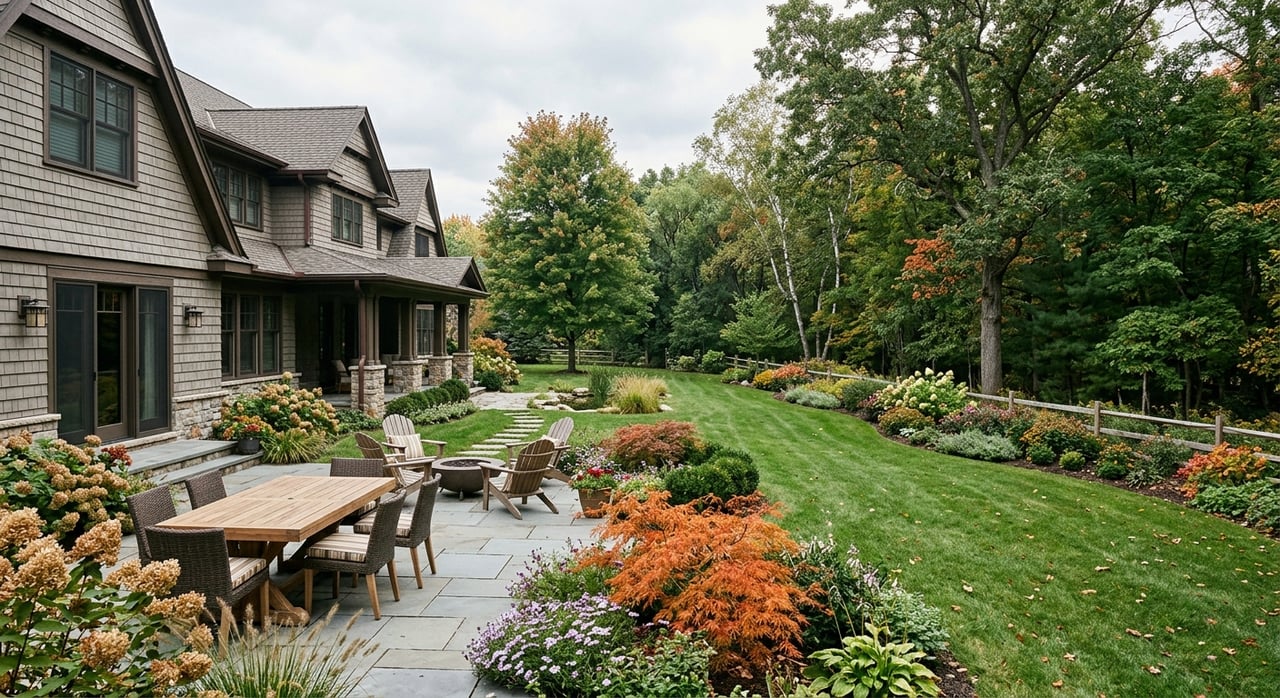
Thinking about a move to Middleton because of a new job? You are not alone, and the housing choices here can feel a little tricky at first. Between apartments, condos, newer subdivisions, and a competitive for-sale market, it helps to know what you are walking into before you sign a lease or make an offer. This overview will help you understand Middleton’s housing mix, price ranges, commute patterns, and when it may make sense to rent first or buy sooner. Let’s dive in.
Middleton is a compact city on the west side of Dane County with an estimated 23,115 residents and 10,382 households as of July 1, 2025. It covers 8.94 square miles, which means you can often get across the city without a long drive. For many relocating professionals, that smaller footprint is part of the appeal.
The city also shows a balance between ownership and rental housing. Census data reports a 45.7% owner-occupied housing rate, and Census Reporter shows that about 56% of housing units are in multi-unit structures. In practical terms, that means you will find a meaningful mix of apartments, condos, townhome-style options, and single-family homes.
If you are moving for work, Middleton gives you more than one path. You can look at apartment or condo living if you want flexibility, lower maintenance, or an easier first landing spot. You can also explore single-family homes if you already know you want more space or plan to stay longer.
The city’s zoning ordinance reflects that variety. Middleton includes districts for single-family, two-family, multi-family, mixed-use, institutional, industrial, parks and recreation, conservancy, and agricultural uses. The city also publishes guidance for accessory dwelling units and in-family suites, which shows that smaller-scale and secondary housing options are part of the local picture too.
Another important point for relocation planning is that Middleton is still growing. The city’s current projects page shows active subdivision, apartment, and mixed-use development in places like Belle Farm, Redtail Ridge, Pheasant Crossing, Greenway Mixed-Use, Rockridge, and Aspen Commons. That matters because your housing search is not limited to older inventory alone.
Middleton’s official planning maps organize the city into broad areas such as Northwest, North Central, Northeast, Far West, Near West/Downtown, Near East, Far East, Southwest/Golf Course, South Central, and Southeast. For someone moving in from out of town, those broad areas can be more useful than trying to memorize unofficial neighborhood labels.
A simple way to think about the city is to compare Near West and Downtown with the outer growth areas. Near West and Downtown can be useful if you want quicker access to core services, connected streets, and a more central feel. Outer areas may offer more new construction, subdivision-style layouts, or different housing formats depending on the project and location.
This is where lifestyle fit really matters. If your work schedule is demanding, a lower-maintenance condo or apartment in a more central area may feel easier. If you are planning for a longer stay, you may prefer to look at newer detached homes or mixed housing developments in the city’s expanding areas.
Before you relocate, it helps to set realistic expectations on cost. Recent Redfin data shows Middleton had a median sale price of $559,165 over the three months ending in May 2026. That was up 11.9% year over year, with homes averaging 55 days on market.
That same data also showed that 32.5% of homes sold above list price. So while homes are not always flying off the shelf overnight, you should still expect competition in many price points. If you plan to buy right away, preparation matters.
For a longer-view benchmark, Census QuickFacts reports a median owner-occupied home value of $484,200. It also reports median monthly owner costs with a mortgage of $2,579. Those figures can help you compare monthly ownership costs against renting.
On the rental side, QuickFacts reports a median gross rent of $1,437 in Middleton. If you want another frame of reference, Dane County Housing Authority FY2026 payment standards list the following utility-included benchmarks:
These are not asking rents for every property, but they are useful guideposts when you are budgeting from out of state.
For many relocating professionals, renting first is the cleaner move. It gives you time to learn how Middleton feels day to day, test your commute, and decide what kind of housing actually fits your routine. That can be especially helpful in a city where housing type, price, and transportation access can vary quite a bit by area.
Renting first may be the better choice if you:
Buying first may make more sense if you already know you want a west-side Dane County home base and you are prepared for higher monthly carrying costs. Based on Census figures, the gap between median gross rent at $1,437 and median monthly owner costs with a mortgage at $2,579 is significant. Ownership can still be the right long-term move, but it usually requires more confidence in your timeline and budget.
A job move is not just about the home. It is also about how your new place connects to work, Madison, and the rest of your week. Middleton’s mean travel time to work is 19.3 minutes, according to Census QuickFacts, which supports the idea that many residents balance suburban living with relatively manageable trip times.
If you are coming from a larger metro area, that number may feel refreshingly short. But your real commute will depend on where you live, how often you need to go into Madison, and whether you plan to drive, bike, or use transit. In Middleton, those choices can shape your housing search more than you might expect.
The city continues to prioritize bicycling and pedestrian infrastructure that connects neighborhoods. That can be a real advantage if you want options beyond driving every day. It also means some locations may feel more convenient because they support multiple ways to get around.
Metro Transit also gives Middleton direct west-side connections into Madison. Current route information shows Route F runs between Junction Park and Ride and Capitol Square, passing through Middleton and key west-side corridors. Route R serves Junction, Old Sauk, Old Middleton, University, Gorham, Johnson, and Main.
If your job or regular activities connect you to Madison’s west side, downtown, or UW-adjacent areas, that transit network can be a useful part of your decision. Even if you mostly drive, it is smart to know whether bus access is available near the homes or rentals you are considering.
One of the more helpful things about Middleton for relocating buyers and renters is that the city is not standing still. Ongoing projects show that the housing supply is being shaped by both apartment and subdivision growth. That can create more options across price points and housing styles over time.
It also means you may have choices between established areas and newer communities. Depending on the project, newer development may offer modern layouts, lower-maintenance living, or recently built detached homes. For some transferees, that can make the move easier because newer properties often need less immediate work.
Middleton also adopted its Housing Action Plan on April 7, 2026. The city says the plan ties an Affordable Housing Fund to a longer-term affordability strategy. For relocation planning, that is useful context because it shows the city is actively working on housing options while demand remains strong.
If you want a simple rule of thumb, start with your timeline. If you are still calibrating commute, location, and housing style, renting first can reduce pressure and help you make a clearer buying decision later. If you already know you want to stay in west-side Dane County and are ready for a competitive market, buying sooner may be worth it.
A smart Middleton housing search usually starts with three questions:
Those answers can quickly narrow your best path. And once you understand Middleton’s housing mix, pricing, and commute options, the city becomes much easier to navigate.
If you are relocating for work and want help narrowing down the right Middleton fit, Madison Lifestyle offers hands-on, neighborhood-first guidance to help you compare options, plan your move, and make a confident next step.

Madison is more than just a zip code — it’s a lifestyle. Whether you want a loft in the city, a home in the ‘burbs, or a secluded cabin on wooded acreage, we’re here to help you find a place that feels like home.
MADISON LIFESTYLE
[email protected]
A: (608) 577-8318
W: (608) 212-2928
O: (608) 336-3311
ADDRESS 7633 Ganser Way Ste 101 Madison WI 53719